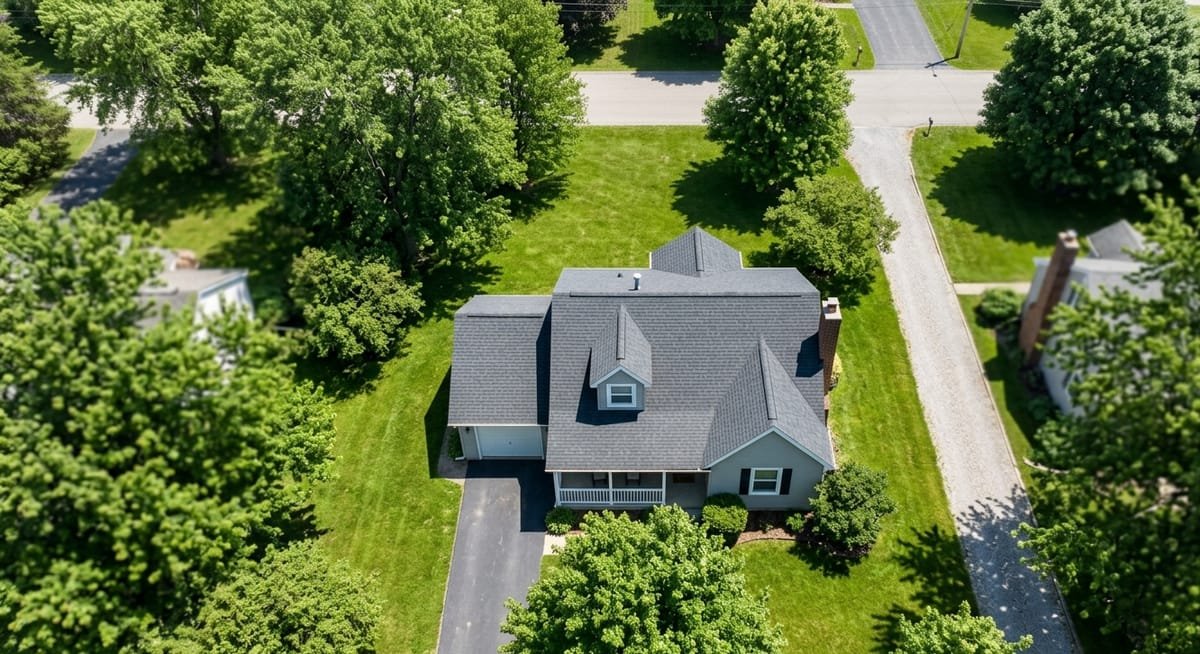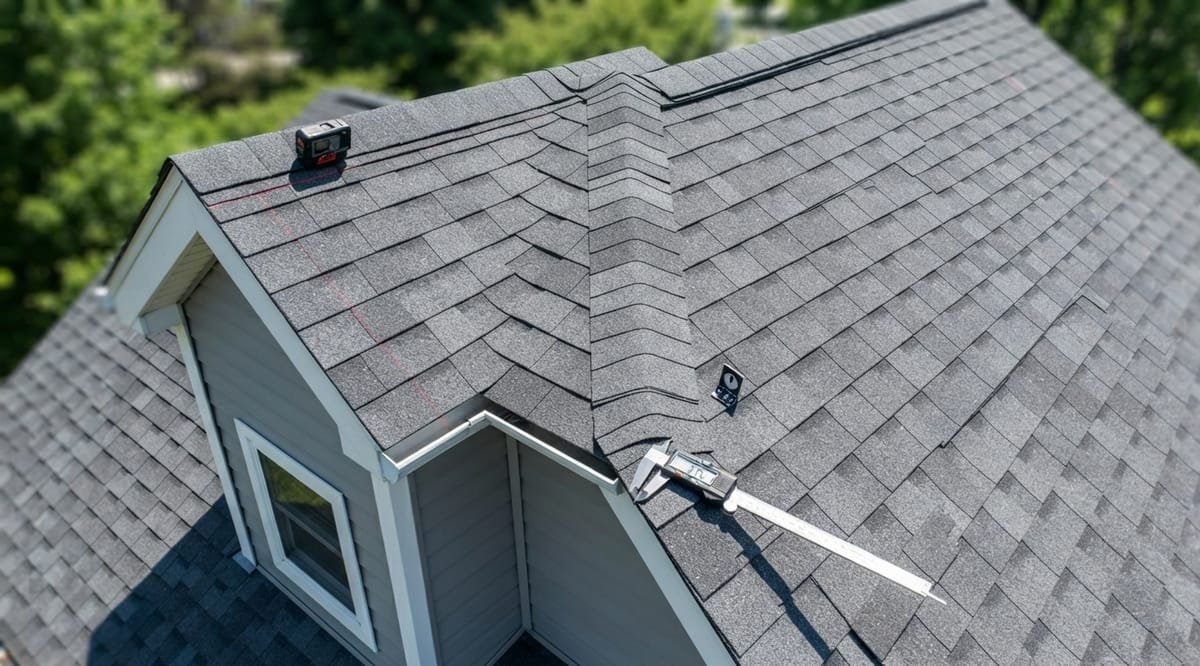

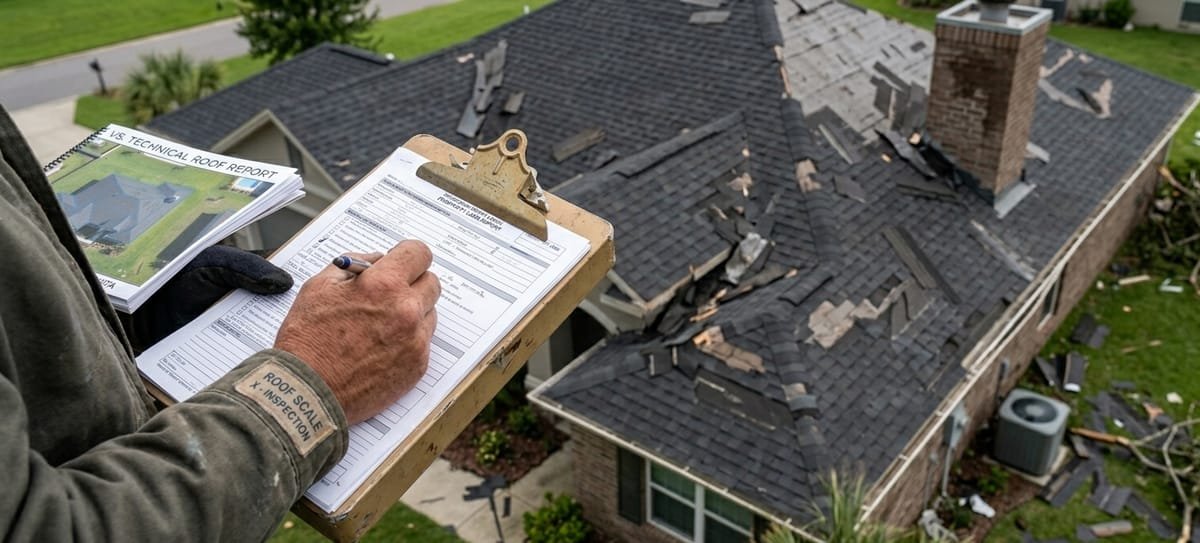
Insurance adjusters use aerial roof measurement reports to document storm and hail damage without a site visit. Here's how that workflow works.
After a storm, adjusters often have dozens or hundreds of claims to process at once. Scheduling an in-person roof inspection for every property isn't always practical — an aerial report gives an adjuster the measurements they need to move a claim forward without waiting on a ladder crew.
What makes a report insurance-ready?
- Facet, pitch, and dimension annotations for every roof plane
- A line-item summary that maps directly to claim documentation
- Fast delivery so claim volume doesn't create a measurement bottleneck
How does this speed up claim settlement?
The measurement step is often the slowest part of getting a claim to a number both sides agree on. When an adjuster can pull a same-day, human-reviewed report instead of scheduling a site visit, the whole claim timeline compresses — the estimate can be built and reviewed the same day the report arrives, instead of waiting on a physical inspection slot.
What about properties with active storm damage?
Aerial measurement reports document the roof's geometry — area, pitch, facets — not the damage itself, so they're typically paired with the adjuster's own damage assessment rather than replacing it. The report gives the adjuster accurate dimensions to build the estimate against; the damage call still comes from the inspection.
Ready to order a report?
Get a human-reviewed aerial roof measurement report, delivered same business day.